
Global Low-Code/No-Code for Government Applications: Industry Size and forecast, Market Shares Data, Latest Trends, Insights, Growth Potential, Segmentation, Competitive Landscape

Low-Code/No-Code (LC/NC) Platforms for Government Applications: Market Overview & Outlook

The market for Low-Code/No-Code (LC/NC) platforms in the government sector is experiencing a period of rapid growth and transformation. Fueled by the demand for faster, more efficient, and cost-effective solutions to citizen services and internal operations, LC/NC offers a compelling alternative to traditional software development methods. This market is characterized by significant investment, technological advancements, and a growing regulatory focus, making it a dynamic and attractive area for both established technology vendors and innovative startups.

Defining the Landscape:

At its core, LC/NC platforms enable users with limited or no coding experience to build, deploy, and manage software applications. Low-Code platforms use visual interfaces and pre-built components to accelerate development, requiring some degree of coding for customization and complex functionalities. No-Code platforms, on the other hand, offer a completely visual, drag-and-drop interface, eliminating the need for coding altogether. These platforms offer significant advantages, including:

  • Accelerated Development: Dramatically reduced development timelines, from months or years to weeks or even days.
  • Cost Efficiency: Lower development costs due to reduced reliance on specialized developers and decreased project risks.
  • Citizen-Centric Applications: Allows governments to quickly develop and deploy applications that address citizen needs, such as online forms, portals, and dashboards.
  • Internal Process Automation: Streamlines internal workflows, automating tasks and improving efficiency across various departments.

Market Dynamics & Growth:

The LC/NC market for government applications is projected to exhibit robust growth, with a significant Compound Annual Growth Rate (CAGR) over the next five years. This growth is primarily driven by:

  • Key Market Drivers:
    • Digital Transformation Initiatives: Governments worldwide are accelerating their digital transformation efforts to improve citizen services and modernize their operations.
    • Demand for Faster Application Delivery: The need to quickly respond to evolving citizen needs and internal operational demands is driving adoption.
    • Budget Constraints: LC/NC platforms offer a cost-effective alternative to traditional software development, allowing governments to do more with less.
    • Skills Gap: The shortage of skilled software developers is prompting governments to adopt LC/NC platforms to reduce dependency on specialized personnel.
  • Key Challenges:
    • Security Concerns: Government applications must adhere to stringent security and compliance regulations, which can be a challenge for LC/NC platforms if not properly designed and managed.
    • Integration Complexity: Integrating LC/NC applications with existing legacy systems and databases can pose a challenge.
    • Scalability & Performance: Ensuring that applications can handle large volumes of users and data while maintaining optimal performance is crucial.
    • Vendor Lock-in: The reliance on a specific LC/NC platform can create vendor lock-in, limiting flexibility and potentially increasing costs in the long run.
    • Data Governance & Compliance: Adhering to regulations related to data privacy (like GDPR) and security is vital.

Regulatory Focus & Trends:

Government agencies are increasingly focused on regulatory compliance and data security, which heavily influence LC/NC platform selection. This includes adherence to standards such as FedRAMP in the US, and stringent data protection regulations. Key trends include:

  • Emphasis on Security & Compliance: Governments are prioritizing platforms that offer robust security features, compliance certifications, and data governance capabilities.
  • Open Source Adoption: There's a growing interest in open-source LC/NC platforms to increase flexibility and reduce vendor lock-in.
  • Integration with AI & Machine Learning: LC/NC platforms are increasingly being integrated with AI and ML capabilities to enhance automation and improve decision-making.

Major Players & Regional Trends:

The competitive landscape is characterized by a mix of established technology vendors and specialized LC/NC platform providers. Key players include (but are not limited to): Microsoft, OutSystems, Appian, Salesforce, Mendix, and Pegasystems. Regionally, North America and Europe are at the forefront of LC/NC adoption, driven by strong digital transformation initiatives and a focus on citizen-centric services. However, the Asia-Pacific region is experiencing rapid growth, fueled by rising government investment in digital infrastructure.

M&A, Fundraising & Outlook:

The LC/NC market for government is witnessing a flurry of activity, with increased M&A deals and fundraising rounds. Companies are acquiring complementary technologies or expanding their offerings to capitalize on market growth. This trend indicates a belief in the long-term potential of LC/NC platforms within the government sector.

The future of LC/NC for government applications is promising. With continued advancements in technology, increased adoption rates, and growing government investment, the market is poised for further expansion. As governments strive to modernize operations, improve citizen services, and achieve cost savings, LC/NC platforms will play an increasingly critical role in shaping the future of public service delivery.

The Report Segments the market to include:

By Application Type:

  • Citizen Services
    • Permitting and Licensing
    • Service Request Management
    • Citizen Portals
    • Benefits Application
  • Internal Operations
    • HR Management
    • Procurement
    • Asset Management
    • Document Management
  • Data & Analytics
    • Dashboarding & Reporting
    • Data Integration
    • Predictive Analytics
    • Data Visualization
  • Public Safety & Security
    • Incident Management
    • Emergency Response
    • Law Enforcement Applications
    • Cybersecurity
  • Infrastructure & Planning
    • Project Management
    • GIS Applications
    • Transportation Management
    • Environmental Monitoring

By Deployment Model:

  • Cloud-Based
    • Public Cloud
    • Private Cloud
    • Hybrid Cloud
  • On-Premise

By Government Level:

  • Federal/National
  • State/Provincial
  • Local/Municipal

By User/User Type:

  • IT Professionals
  • Business Users / Citizen Developers
  • Government Employees (Non-IT)

By Vendor Type:

  • Pure-Play Low-Code/No-Code Vendors
  • Large Technology Vendors (e.g., Microsoft, Salesforce)
  • Consulting & System Integrators
  • Open Source Providers
  • Vertical-Specific Providers

By Organization Size:

  • Small Governments
  • Medium Governments
  • Large Governments

By Region:

  • North America
  • Europe
  • Asia-Pacific
  • Latin America
  • Middle East and Africa (MEA)

Related Reports

Need specific market information ?

Ask for free product review call with the author

Share your specific research requirements for a customized report

Request for due diligence and consumer centric studies

Request for study updates, segment specific and country level reports

Chapter 1 Preface

1.1 Report Description

  • 1.1.1 Purpose of the Report
  • 1.1.2 Target Audience
  • 1.1.3 USP and Key Offerings

    1.2 Research Scope

1.3 Research Methodology

  • 1.3.1 Secondary Research
  • 1.3.2 Primary Research
  • 1.3.3 Expert Panel Review
  • 1.3.4 Approach Adopted
    • 1.3.4.1 Top-Down Approach
    • 1.3.4.2 Bottom-Up Approach
  • 1.3.5 Assumptions

    1.4 Market Segmentation Scope

Chapter 2 Executive Summary

2.1 Market Summary

  • 2.1.1 Global Low-Code/No-Code for Government Applications Market, an Overview

    2.2 Market Snapshot: Global Low-Code/No-Code for Government Applications Market

2.2.1 Market Trends

Positive:

  1. Citizen Services Enhancement
  2. Increased IT Agility & Speed of Development
  3. Improved Data Accessibility and Analysis

Adverse:

  1. Security & Compliance Concerns
  2. Vendor Lock-in and Platform Limitations
  3. Skills Gap and Training Requirements

2.3 Global Low-Code/No-Code for Government Applications Market: Segmentation Overview

2.4 Premium Insights

  • 2.4.1 Market Life Cycle Analysis
  • 2.4.2 Pricing Analysis
  • 2.4.3 Technological Integrations
  • 2.4.4 Supply Chain Analysis and Vendor Landscaping
  • 2.4.5 Major Investments in Market
  • 2.4.6 Regulatory Analysis
  • 2.4.9 Regulatory Analysis
  • 2.4.10 Market Pain-Points and Unmet Needs

Chapter 3 Market Dynamics

3.1 Market Overview

3.2 Market Driver, Restraint and Opportunity Analysis

3.3 Market Ecosystem Analysis

3.4 Market Trends Analysis

3.5 Industry Value Chain Analysis

3.6 Market Analysis

  • 3.6.1 SWOT Analysis
  • 3.6.2 Porter's 5 Forces Analysis

    3.7 Analyst Views

Chapter 4 Market Segmentation

By Application Type:

  • Citizen Services
    • Permitting and Licensing
    • Service Request Management
    • Citizen Portals
    • Benefits Application
  • Internal Operations
    • HR Management
    • Procurement
    • Asset Management
    • Document Management
  • Data & Analytics
    • Dashboarding & Reporting
    • Data Integration
    • Predictive Analytics
    • Data Visualization
  • Public Safety & Security
    • Incident Management
    • Emergency Response
    • Law Enforcement Applications
    • Cybersecurity
  • Infrastructure & Planning
    • Project Management
    • GIS Applications
    • Transportation Management
    • Environmental Monitoring

By Deployment Model:

  • Cloud-Based
    • Public Cloud
    • Private Cloud
    • Hybrid Cloud
  • On-Premise

By Government Level:

  • Federal/National
  • State/Provincial
  • Local/Municipal

By User/User Type:

  • IT Professionals
  • Business Users / Citizen Developers
  • Government Employees (Non-IT)

By Vendor Type:

  • Pure-Play Low-Code/No-Code Vendors
  • Large Technology Vendors (e.g., Microsoft, Salesforce)
  • Consulting & System Integrators
  • Open Source Providers
  • Vertical-Specific Providers

By Organization Size:

  • Small Governments
  • Medium Governments
  • Large Governments

By Region:

  • North America
  • Europe
  • Asia-Pacific
  • Latin America
  • Middle East and Africa (MEA)

Chapter 5 Competitive Intelligence

5.1 Market Players Present in Market Life Cycle

5.2 Key Player Analysis

5.3 Market Positioning

5.4 Market Players Mapping, vis-à-vis Ecosystem

  • 5.4.1 By Segments

5.5 Major Upcoming Events

  • GovTech Conference (Various Locations & Dates): Focuses on technology in government, often featuring low-code/no-code solutions for digital transformation, citizen services, and internal operations.

  • Digital Government Summit (Various Locations & Dates): Explores digital strategies and innovative technologies used in government. Low-code/no-code platforms are commonly showcased for application development and process automation.

  • National Association of State Chief Information Officers (NASCIO) Annual Conference (Various Locations & Dates): Gathering of state CIOs and IT leaders to discuss technology trends and policy, where low-code/no-code often features in discussions on modernizing government IT infrastructure.

  • Cloud Computing in Government Conference (Various Locations & Dates): Focuses on cloud adoption and related technologies in the public sector. Low-code/no-code platforms are frequently presented as tools to enable cloud-based application development.

  • Federal Government Innovation Summit (Various Locations & Dates): Showcases innovations in federal government, including the use of low-code/no-code platforms to address challenges and enhance services.

  • Gartner Government & Education Conferences (Various Locations & Dates): Gartner events cover a wide range of technology topics relevant to government, with sessions and reports on the strategic application of low-code/no-code solutions.

  • Forrester Forums (Various Locations & Dates): Forrester's events offer insights on technology trends, including the use of low-code/no-code platforms for digital transformation in government and other industries.

  • AWS Public Sector Summits (Various Locations & Dates): Amazon Web Services (AWS) hosts public sector summits focusing on cloud solutions, including low-code/no-code development tools.

  • Microsoft Ignite (Various Locations & Dates): Microsoft's large-scale conference often includes presentations and workshops on their Power Platform and other low-code/no-code tools applicable to government.

  • Local Government Conferences (e.g., ICMA, NLC) (Various Locations & Dates): International City/County Management Association (ICMA), National League of Cities (NLC) and similar organizations regularly host conferences where local government technology adoption is discussed. Low-code/no-code is often highlighted for its ability to address challenges and foster innovation.

  • Webinars by Low-Code/No-Code Platform Providers (Ongoing): Companies like Appian, Mendix, OutSystems, Microsoft, and others regularly host webinars showcasing their platforms and use cases in government.
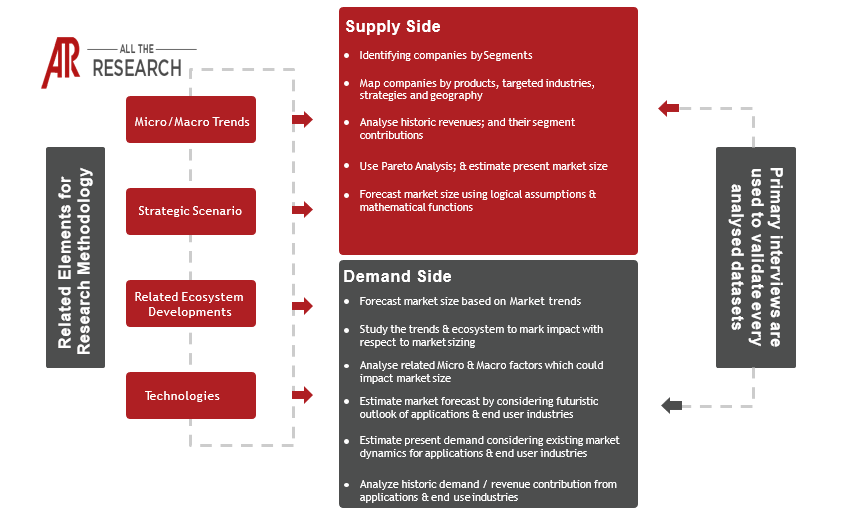
5.5 Strategies Adopted by Key Market Players

5.6 Recent Developments in the Market

  • 5.6.1 Organic (New Product Launches, R&D, Financial, Technology)
  • 5.4.2 Inorganic (Mergers & Acquisitions, Partnership and Alliances, Fund Raise)

Chapter 6 Company Profiles - with focus on Company Fundamentals, Product Portfolio, Financial Analysis, Recent News and Developments, Key Strategic Instances, SWOT Analysis

  • Microsoft
  • OutSystems
  • Mendix (Siemens)
  • Appian
  • Salesforce
  • Zoho
  • Bubble
  • Quickbase
  • Creatio
  • Kissflow
  • Nintex
  • TrackVia
  • Betty Blocks
  • Glide
  • Airkit
  • Kintone
  • Webflow
  • Airtable
  • AppSheet (Google)
  • Retool

Chapter 7 About Us

Choose License

License Type
Ask for Customization

Why Choose AllTheResearch?

  • Monthly market updates for 6 months
  • Online access of reports
  • Options to buy sections of report
  • Critically analysed research on Quadrant Positioning of your company.
  • Syndicated report along with a supplementary report with objective-based study
  • Get profiled in the reports.Expanding your visibility across our network of readers and viewers
  • We provide local market data in local language on request
  • A complementary co-branded white paper
  • Flat consulting fee based exclusive studies. Consult at the price of syndicate
  • Access to expert team for free transaction advisory service.
Speak to Analyst

Quick Inquiry

Follow Us

Choose License

License Type
Ask for Customization